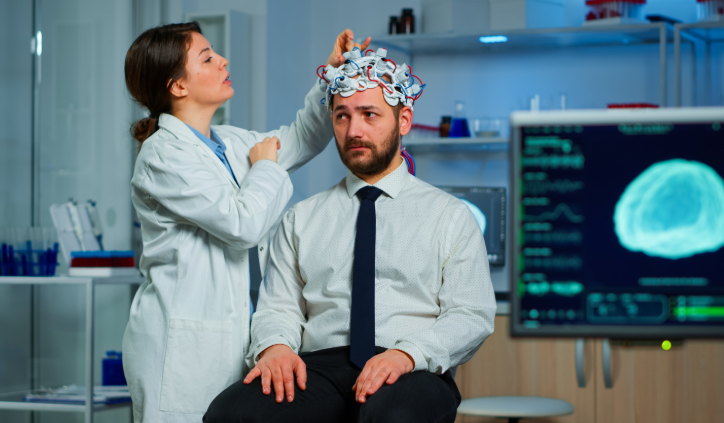
AI is transforming the landscape of early illness detection through sophisticated data analysis. By examining vast medical records and real-time data from wearable devices, AI uncovers hidden patterns that may indicate health risks. This technology enhances diagnostic accuracy with advanced imaging techniques and promotes continuous health monitoring. As these innovations unfold, the potential for proactive health management becomes increasingly apparent. What implications might this have for both individuals and the healthcare system as a whole?
The Role of Data in AI-driven Early Detection
Data serves as the backbone of AI-driven early detection systems, providing the essential information needed to identify health anomalies before they escalate.
However, the integration of this data raises significant data privacy and ethical considerations. Balancing the benefits of early detection with individuals’ rights to privacy is crucial, ensuring that technological advancements do not compromise personal freedoms in the pursuit of health insights.
See also; How AI Detects Cyber Threats
Analyzing Medical Records for Hidden Patterns
A wealth of medical records holds untapped potential for uncovering hidden patterns that could signal early signs of illness.
By employing predictive analytics, healthcare professionals can analyze vast datasets, correlating patient demographics with historical health outcomes.
This innovative approach enables the identification of risk factors and trends, ultimately empowering patients and providers to make informed decisions that promote proactive health management and enhance overall well-being.
Imaging Technology and AI: A New Frontier
Recent advancements in imaging technology combined with artificial intelligence have opened new avenues for early disease detection.
By integrating AI with various imaging modalities, healthcare professionals can enhance diagnostic accuracy and utilize predictive analytics to foresee potential health issues.
This technology integration not only improves patient outcomes but also empowers individuals with greater insight into their health, fostering a proactive approach to wellness.
Wearable Health Devices and Continuous Monitoring
Wearable health devices have transformed personal healthcare by enabling continuous monitoring of vital signs and health metrics.
Utilizing smart textiles embedded with biometric sensors, these devices provide real-time data tracking, empowering individuals to take charge of their health.
This innovation fosters a proactive approach to wellness, allowing users to identify potential health issues early and engage in informed decision-making for their well-being.
Conclusion
AI’s capability to detect early symptoms of illness is akin to a skilled detective unraveling a complex mystery, piecing together clues from diverse data sources. By harnessing the power of medical records, advanced imaging, and wearable technologies, healthcare can transition from reactive to proactive. This innovative approach not only enhances diagnostic precision but also empowers individuals in managing their health. Ultimately, the integration of AI into healthcare promises a future where early intervention leads to improved patient outcomes and a healthier society.