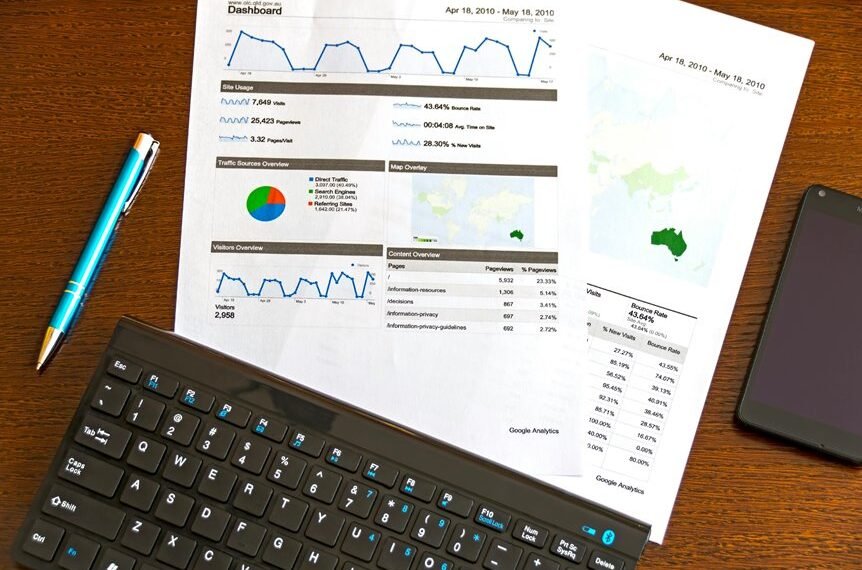
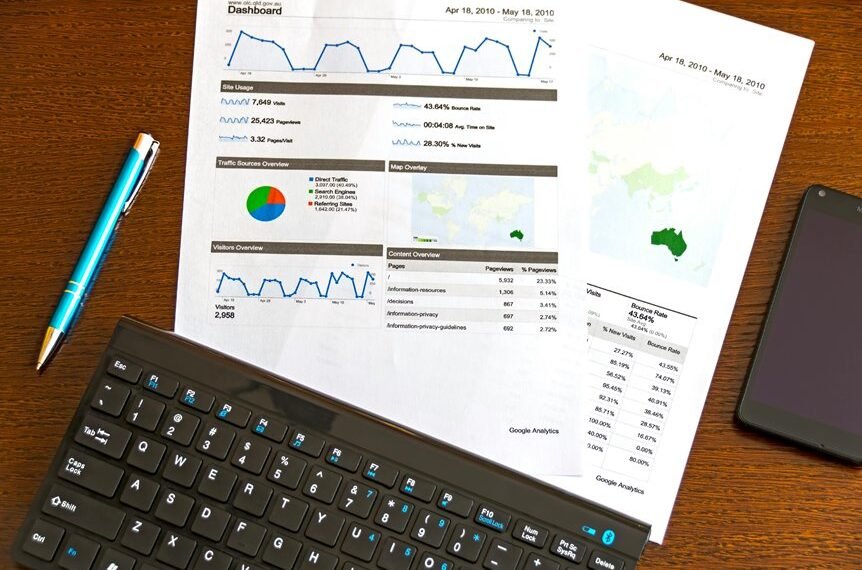
The Market Dynamics Study reveals significant correlations between key economic indicators and consumer spending. By examining figures such as 221945760580 and 18005253355, one can discern patterns that reflect broader market trends. Additionally, technological advancements play a crucial role in altering consumer behavior. Understanding these dynamics is essential for stakeholders aiming to navigate an increasingly complex marketplace. The implications of these insights could reshape future business strategies in unforeseen ways.
Key Economic Indicators Impacting Market Dynamics
While various factors influence market dynamics, key economic indicators serve as critical barometers for assessing overall economic health and market behavior.
Inflation rates, employment figures, and interest rates significantly impact consumer spending patterns. Additionally, GDP growth and trade balances reflect a nation’s economic vitality.
Understanding these indicators allows investors to navigate market fluctuations and make informed decisions that align with their desire for financial freedom.
Technological Advancements and Their Influence on Consumer Behavior
As technological advancements continue to reshape industries, their influence on consumer behavior has become increasingly pronounced.
Digital transformation, driven by mobile technology and social media, has altered consumer preferences, facilitating a shift towards online shopping.
Data analytics further empowers businesses to tailor offerings, enhancing customer engagement.
This interplay between technology and consumer behavior underscores the importance of adaptability in an ever-evolving marketplace.
Industry Trends Shaping the Future of Business Strategies
Emerging industry trends are fundamentally reshaping business strategies, necessitating a proactive approach from organizations.
Key shifts include the integration of sustainability practices, reflecting consumer demand for environmentally responsible choices.
Additionally, enhanced consumer engagement through digital platforms is crucial, enabling brands to connect authentically with their audience.
These trends compel businesses to innovate continuously, aligning strategies with evolving market expectations and fostering long-term success.
Adapting to Change: Strategies for Industry Stakeholders
The rapid evolution of industry trends necessitates that stakeholders adopt agile strategies to remain competitive.
Emphasizing market resilience, effective stakeholder collaboration becomes crucial for navigating uncertainties.
Adaptive leadership fosters an environment where innovation thrives, enabling organizations to pivot swiftly.
Additionally, incorporating strategic foresight equips stakeholders with insights necessary to anticipate shifts, ensuring sustained relevance in an ever-changing landscape.
Conclusion
In conclusion, the Market Dynamics Study reveals that understanding economic indicators is akin to navigating a ship through turbulent waters; awareness of inflation, employment rates, and interest trends allows businesses to steer effectively amidst uncertainty. As technological advancements reshape consumer behavior, industry stakeholders must remain agile, adapting their strategies to maintain competitiveness. By embracing these insights, businesses can not only survive but thrive in an ever-evolving marketplace, ensuring resilience against future fluctuations.